.png)
How to Use Local SEO: The Best Marketing for Small Business in Your Neighborhood
- Kim Farrell
- Dec 2, 2025
- 6 min read


If you're a small business owner trying to figure out the best marketing for small business success, you've probably felt overwhelmed by all the options out there. Social media, paid ads, email marketing... where do you even start? While each of those strategies has its place, there's one approach that consistently delivers results for local businesses without breaking the bank: local SEO.
Local SEO is your secret weapon for connecting with customers who are actively searching for what you offer, right in your neighborhood. And the best part is you can get started today without spending a dime.
What Is Local SEO and Why Should You Care?
Local SEO is the process of optimizing your business's online presence to attract customers from local searches. When someone searches for "coffee shop near me" or "plumber in downtown," Google uses local SEO signals to decide which businesses to show first.
Think about your own shopping habits. When you need something quickly, whether it's a haircut, car repair, or dinner, you probably grab your phone and search for options nearby. That's exactly what your potential customers are doing, and local SEO ensures your business shows up when they're looking.
The beauty of local SEO as the best marketing for small businesses is that it targets people with high purchase intent. These aren't casual browsers, they're ready to buy, book, or visit. They just need to find you first.

Quick Wins You Can Implement Today
Before we dig into the comprehensive strategy, let's start with some immediate actions you can take. These quick wins will give you a competitive edge and can be completed in just a few hours:
Claim Your Google Business Profile This is absolutely non-negotiable. Your Google Business Profile (formerly Google My Business) is your digital storefront on Google. If you haven't claimed yours yet, stop reading and do it now. Seriously, we'll wait.
Complete Every Section Don't just claim your profile and call it done. Fill out every single field: business description, hours, phone number, website, and photos. Incomplete profiles are like having a store with half the shelves empty, customers notice, and it doesn't inspire confidence.
Upload High-Quality Photos Photos of your storefront, products, team, and happy customers make your business feel real and trustworthy. Businesses with photos receive 42% more requests for directions and 35% more click-throughs to their websites.
Respond to Every Review Good or bad, respond to reviews professionally and promptly. This shows potential customers that you care about their experience and are actively engaged with your community.
Free Tools That Make Local SEO Simple
You don't need expensive software to succeed with local SEO. Here are the free tools that'll help you dominate your local market:
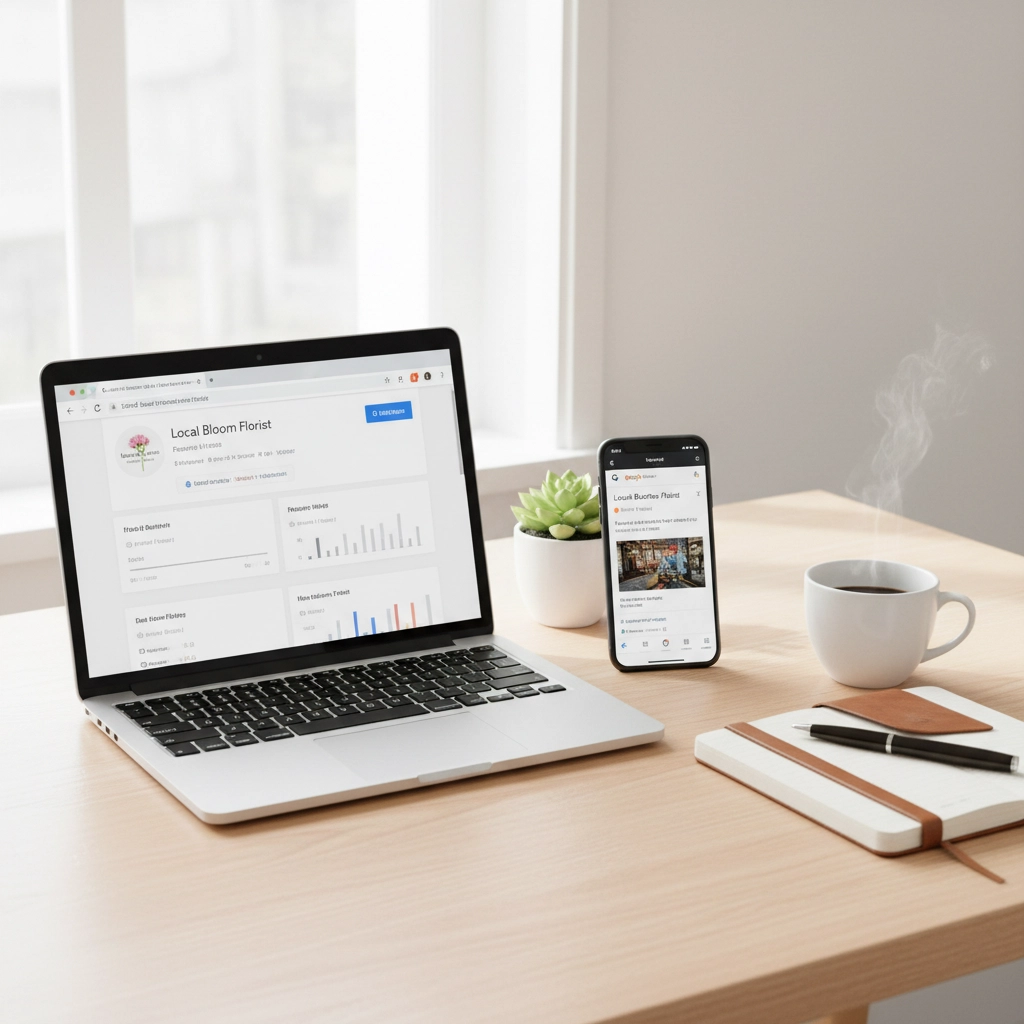
Google Business Profile Dashboard Your command center for monitoring how customers find and interact with your business online. Check it weekly to see which search terms are bringing people to your profile.
Google Keyword Planner Discover what your local customers are actually searching for. Look for keywords that include your city or neighborhood, these are your goldmine terms.
Google Search Console Track how your website performs in search results and identify opportunities to improve your local rankings.
Google My Business Posts Create free posts about special offers, events, or new products directly on your Google Business Profile. These posts appear in search results and can drive immediate traffic.
Your Step-by-Step Local SEO Strategy
Now let's build your comprehensive local SEO foundation. This strategy works whether you're a restaurant owner, service provider, or retail store:
Step 1: Perfect Your NAP Consistency
NAP stands for Name, Address, and Phone number. These three pieces of information must be identical everywhere your business appears online: your website, social media profiles, directory listings, everywhere.
Why does this matter? Google sees inconsistent information as a red flag. If your address is "123 Main St." on your website but "123 Main Street" in your Google profile, you're confusing Google and hurting your rankings.
Step 2: Build Local Citations
Citations are mentions of your business on other websites, even if they don't link back to you. The key local directories to start with include:
Yelp
Yellow Pages
Better Business Bureau
Industry-specific directories (like Angie's List for service providers)
Local Chamber of Commerce websites
Step 3: Create Location-Specific Content
Write blog posts and create content that speaks directly to your local community. Share local news, spotlight customer stories, or create guides that help locals. For example, a landscaping company might write "Best Plants for [Your City] Climate," or a restaurant could create "Guide to [Your Neighborhood] Date Night Spots."
Step 4: Optimize for "Near Me" Searches
More people are searching with phrases like "pizza near me" or "dentist near me" than ever before. Make sure your website includes these natural language phrases in your content, but don't stuff keywords unnaturally: Google's smart enough to spot that.

Step 5: Encourage Customer Reviews
Reviews are social proof and ranking signals rolled into one. Don't be shy about asking satisfied customers to leave reviews. The simple approach works: "If you were happy with our service today, would you mind leaving us a quick review on Google?"
Common Local SEO Mistakes to Avoid
Even with the best intentions, it's easy to make mistakes that hurt your local rankings. Here are the ones we see most often:
Using a P.O. Box as Your Address Google wants to see a real, physical location where customers can visit or you operate from. P.O. boxes don't cut it for local SEO.
Keyword Stuffing Your Business Name Don't change your business name to "Joe's Pizza Best Pizza in Downtown Springfield." Keep your actual business name and work keywords into your description and content instead.
Ignoring Mobile Users More than 60% of local searches happen on mobile devices. If your website isn't mobile-friendly, you're losing customers before they even find you.
Inconsistent Hours Nothing frustrates customers more than showing up to a closed business. Keep your hours updated everywhere, especially during holidays or special events.
Why Local SEO Is One of the Best Marketing Strategies for Small Businesses
Here's what makes local SEO superior to other marketing approaches for small businesses:
Cost-Effective: Most local SEO tactics are free or very low-cost. You're not paying for every click like with ads.
High Intent Traffic: People searching locally are ready to buy, not just browsing.
Builds Long-Term Value: Unlike ads that stop working when you stop paying, good local SEO keeps working 24/7.
Levels the Playing Field: A well-optimized small business can outrank larger competitors in local searches.
Measurable Results: You can track exactly how many people found you through local search and how that converts to sales.
Frequently Asked Questions
How long does it take to see results from local SEO? You can see some improvements within a few weeks, especially from claiming and optimizing your Google Business Profile. However, significant ranking improvements typically take 3-6 months of consistent effort.
Do I need to hire someone for local SEO, or can I do it myself? Many local SEO basics can be done yourself, especially the quick wins we covered. However, as your business grows, working with professionals can help you implement more advanced strategies and save time. Learn more about our marketing services if you'd like support.
What's the most important factor in local SEO? Your Google Business Profile is the foundation of everything else. A complete, accurate, and regularly updated profile is essential for local SEO success.
How many reviews do I need to rank well locally? There's no magic number, but businesses with 15+ reviews typically perform better in local searches. Focus on getting consistent, authentic reviews over time rather than trying to get many all at once.
Can local SEO work for service businesses that visit customers? Absolutely! Service area businesses can still benefit from local SEO by targeting the areas they serve and creating location-specific content for each service area.
Ready to make local SEO work for your business? Start with the quick wins outlined above, then gradually implement the full strategy. Remember, the best marketing for small business is the kind that connects you with customers who are already looking for what you offer: and that's exactly what local SEO does.
If you'd like help developing a complete local marketing strategy that goes beyond just SEO, let's chat about how we can support your business growth. Your neighborhood is waiting to discover what makes your business special.


Comments